
Recalibration
A space for reflection
How Charles E. Tyler Builds Human-Centered Futures Across Education, AI, Blockchain, and Luxury
BY CAMMANEX EDITORIAL
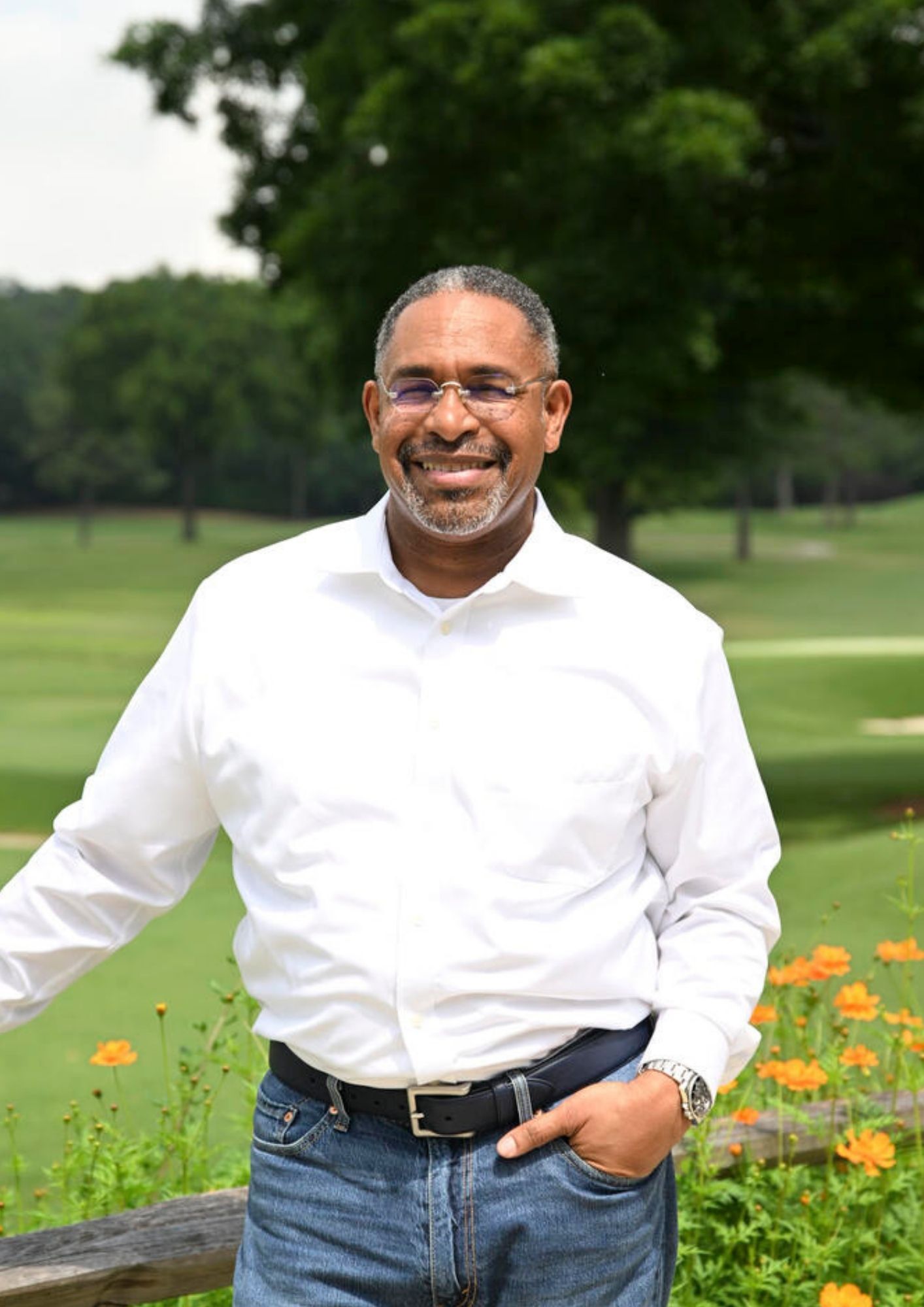
Charles E. Tyler does not chase attention. He cultivates intention—and clarity follows naturally. There is a quiet precision to the way he speaks, a grounded steadiness that feels almost radical in a culture engineered for speed, spectacle, and constant performance. Long before the accolades, certifications, and multi-hyphenate career, there was simply a young boy paying close attention—observing how people showed up, how they treated one another, how presence could carry more weight than volume ever could. “I grew up in a home filled with love, humility, and quiet consistency,” he says. “My parents never tried to be impressive. They tried to be genuine.”That early orientation toward authenticity—toward substance over display—became the blueprint for his life’s work. It shaped not only who Charles would become, but the kind of leadership he would practice: measured, human, and anchored in meaning rather than momentum.
.
.
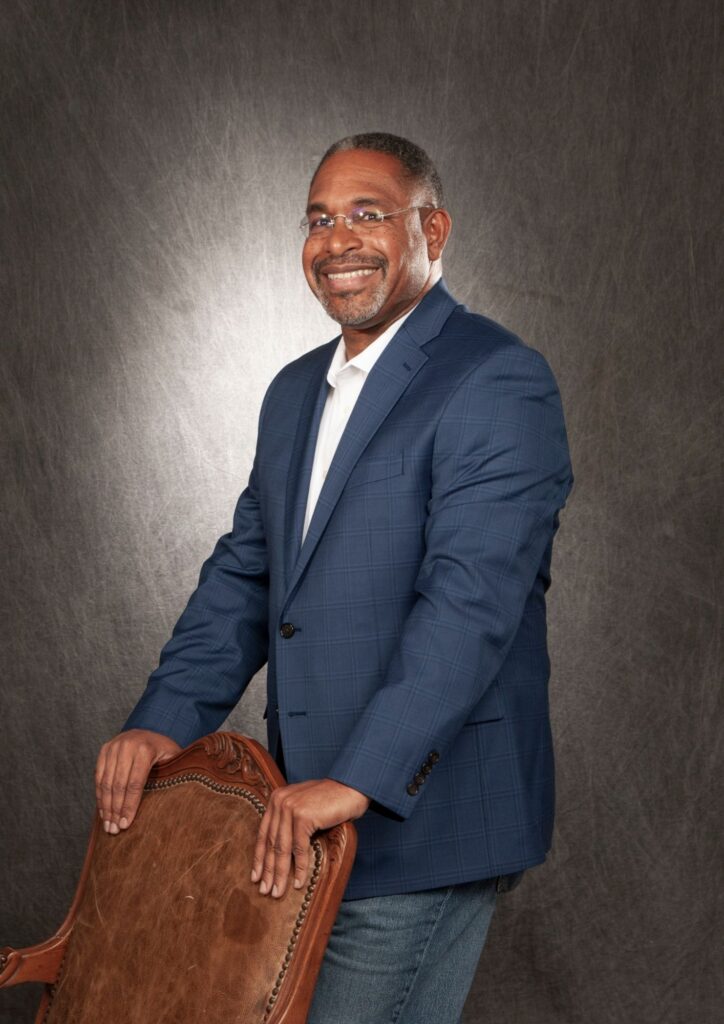
Before the credentials and certifications, there was young Charles: a kid “who paid attention to everything,” raised in a home where character wasn’t performed—it was practiced. His parents weren’t interested in being impressive. They were interested in being genuine. His mother, a renowned cultural preservationist and pioneer of Black history tourism, taught him something that would later shape his work across education, technology, and luxury: knowledge isn’t something you keep—it’s something you use to elevate and liberate others. She could walk into a room and make history feel alive, personal, urgent. He watched her educatecommunities with passion and precision, then return home with humility, as if transformation was simply part of the day’s work. His father, meanwhile, modeled a different kind of power—calm strength. Steady. Unshakable. “You always felt seen and supported in his presence,” Charles says. That kind of leadership—gentle, grounded, quietly consequential—would become an internal compass. In a world that rewards volume, Charles learned early: impact doesn’t need to shout.
.
“Success is not speed or status; it is alignment—between who you are, how you lead, and what you build.”
.
The thread that connects academia, AI, blockchain—and luxury
Born in St. Louis, Missouri, Charles—known to many as CT—has built a career as a distinguished educator, blockchain strategist, fintech expert, entrepreneur, and cultural commentator. People tend to ask Charles how he went from education to emerging tech to luxury culture. He hears the implied question underneath: Why so many worlds? He doesn’t see them as separate worlds at all. “For me, the thread was always curiosity and the desire to understand people,” he says. Twenty-five years in education gave that curiosity structure—how to break down ideas, guide growth, and build confidence. Teaching across age groups and contexts taught him that learning isn’t about memorizing facts. It’s about understanding how people think, how they change, and what they need to feel capable. Then technology arrived—fast, disruptive, inevitable.
Charles didn’t approach AI and blockchain as trends. He approached them as human systems—mirrors that reveal how we build trust, how we communicate, how we navigate uncertainty. AI, he saw, could unlock learning for people who were stuck. It could also accelerate misinformation and over-reliance. The tool wasn’t the issue. The mindset guiding it was. “AI is only as strong as the person guiding it,” he says. It needs ethics. Boundaries. Humanity. Blockchain drew him in for a different reason: transparency, verification, accountability—principles he believes the world is starving for. A technology designed to decentralize power felt like a doorway into a bigger question: How do we rebuild trust when institutions, systems, and narratives feel unstable?
And then there’s luxury which is often misread, often flattened. His first management role at Saks Fifth Avenue in Birmingham opened his eyes. Luxury wasn’t about objects. It was about presence, intention, emotional experience. It was about the invisible architecture behind “I feel taken care of.” Later, his training deepened—Inside LVMH (twice), mastery-level achievements, plus Private Client Professional certification and Luxury Institute credentials. But his conclusion stayed elegantly simple:
“True luxury whispers. It doesn’t chase attention. It invites you into a moment. For Charles, luxury became a lens, not a label. A way to understand craftsmanship, heritage, desire, and the psychology of value—less about price, more about meaning.
.
Reinvention as a return, not an escape
Charles doesn’t romanticize reinvention as a “new me” storyline. For him, reinvention is a discipline: expanding who you already are, while staying rooted in purpose. He credits his parents’ adaptability—how they navigated challenges without spectacle, how they adjusted without complaint, as his earliest education in possibility. But one moment stands out: watching his mother complete a performance that transformed a room with history and emotion… then return to being “mom” with warmth and humility, as if extraordinary work didn’t require extraordinary ego. That’s when he realized: Reinvention isn’t escape. It’s elevation. A deeper return to purpose.
.
The educator’s creed: “You are capable.”
Ask Charles what he tries to instill in every learner, and he doesn’t reach for pedagogical buzzwords. He chooses something more radical. “You are capable,” he says. Not someday. Not if everything goes right. Now. He has taught at secondary and college levels, coached adults shifting careers, supported young people searching for identity, and helped professionals rebuild confidence. Across every context, one thing remains: people rise when they believe they can grow.
A student once told him, “You were the first person who actually saw me.” That sentence rewired his approach. Education, he learned, isn’t content delivery. It’s psychological safety. It’s connection. It’s teaching students how to think, not what to think—helping them engage with curiosity instead of fear. He emphasizes ownership too: learning isn’t something that happens to you. It’s something you participate in. And above all, he teaches clarity, the rarest luxury in a loud world.
.
Becoming a student again
When Charles stepped fully into AI and blockchain, the shift wasn’t just professional—it was personal. He had to become a beginner again. Let go of the comfort of competence. Choose humility. He earned more than forty certifications across blockchain, crypto, Web3, AI, digital transformation, agile leadership, and compliance—not for titles, but for mastery. He wanted to teach accurately. Help people decide wisely. Bring clarity to a space that overwhelms newcomers. His takeaway lands like a proverb:The future belongs to those willing to learn, unlearn, and relearn.
Human depth in a machine-speed world
Charles is not anti-automation. He’s anti-erasure—of judgment, empathy, reflection. He maintains human depth through intention: treating technology as a tool, not a replacement for human wisdom. AI can process. Predict. Calculate. But it can’t feel the room. It can’t recognize overwhelm. It can’t lead with care. His background in emotional intelligence, sports psychology, and mental performance coaching shows up here like a signature. He slows down. Asks better questions. Checks intention. “Innovation without reflection becomes noise,” he says. “Innovation with reflection becomes leadership.”
.
“Technology doesn’t change people, it reveals them. The future belongs to those willing to lead it with ethics, clarity, and intention.”
.
.
The misconception he corrects most
“The biggest misconception,” Charles says, “is the idea that technology changes people.” It doesn’t. Technology reveals people. It amplifies intention. Magnifies habits. Exposes values. If you’re disciplined, technology accelerates growth. If you’re unclear, it multiplies confusion. If you lack ethics, it scales harm. Speed isn’t progress. Speed without direction is chaos. And perhaps most importantly: you can’t automate integrity. You can’t outsource judgment. You can’t delegate accountability to an algorithm
Craftsmanship as care made visible
In education, craftsmanship is patience—the careful shaping of how someone thinks. In tech, craftsmanship is responsibility—building systems that are ethical and transparent. In luxury, craftsmanship is sacred—tradition, mastery, and restraint. Across all of it, he defines craftsmanship the same way: Care made visible. That philosophy extends to leadership too. Charles believes the next decade will reward emotional maturity more than authority: leaders who can regulate themselves, guide people through uncertainty, and protect trust as a competitive advantage. Humility will matter more than perfection. Presence will matter more than performance.
Redefining success—and the loss that recalibrated everything
The most profound recalibration in Charles’s life came with the loss of his father. Grief shifted the ground under him and forced the question many high-achievers avoid: What do titles matter if you’re not becoming someone you respect in the process? His father’s life—quiet, steady, impactful—became a mirror. A reminder that legacy isn’t measured in accumulation. It’s measured in presence. That loss, paired with seasons of being underestimated or misunderstood, sharpened his resolve to invest in himself, deepen his expertise, and trust that opportunities meet you at the level of your preparation. Disruption, he decided, is not the enemy. It’s the teacher
The Legacy He Intends
When Charles E. Tyler considers the legacy he hopes to leave, he does not measure it in titles or accolades, but in impact that endures beyond the moment. He hopes people leave his presence with greater clarity, confidence, and agency—better equipped to think, decide, and lead with intention. In education, that means helping learners trust their capability. In technology, guiding leaders to engage AI and blockchain with discernment, ethics, and wisdom rather than fear or impulse. In luxury and culture, it means restoring an appreciation for depth, intention, and presence over noise and performance. Ultimately, he hopes he has helped recalibrate how success itself is defined: not by speed, status, or accumulation, but by alignment, integrity, and peace.