
Recalibration
Neha Kumar: On Why Women Need Rest More Than Resilience
By cammanex editorial
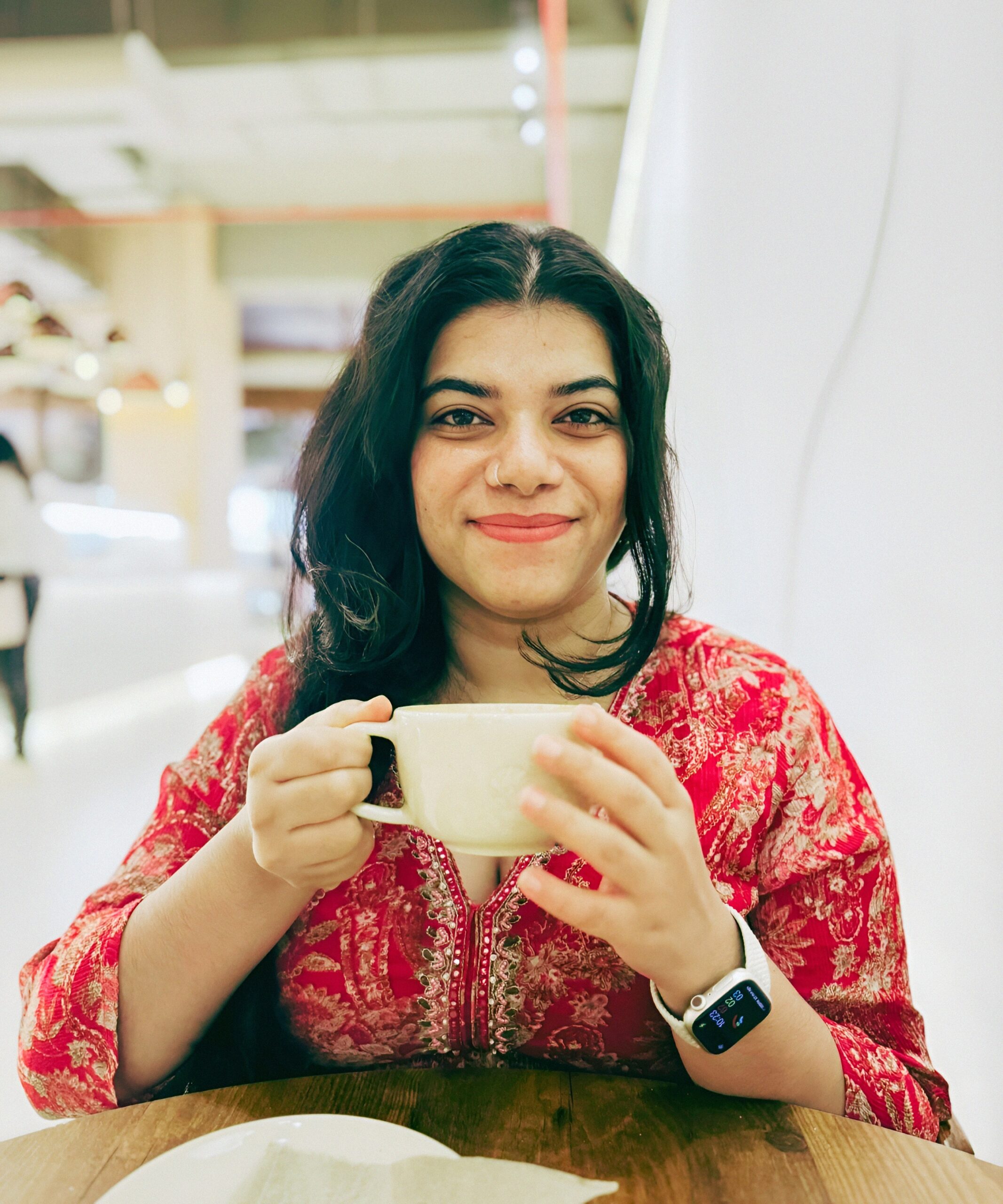
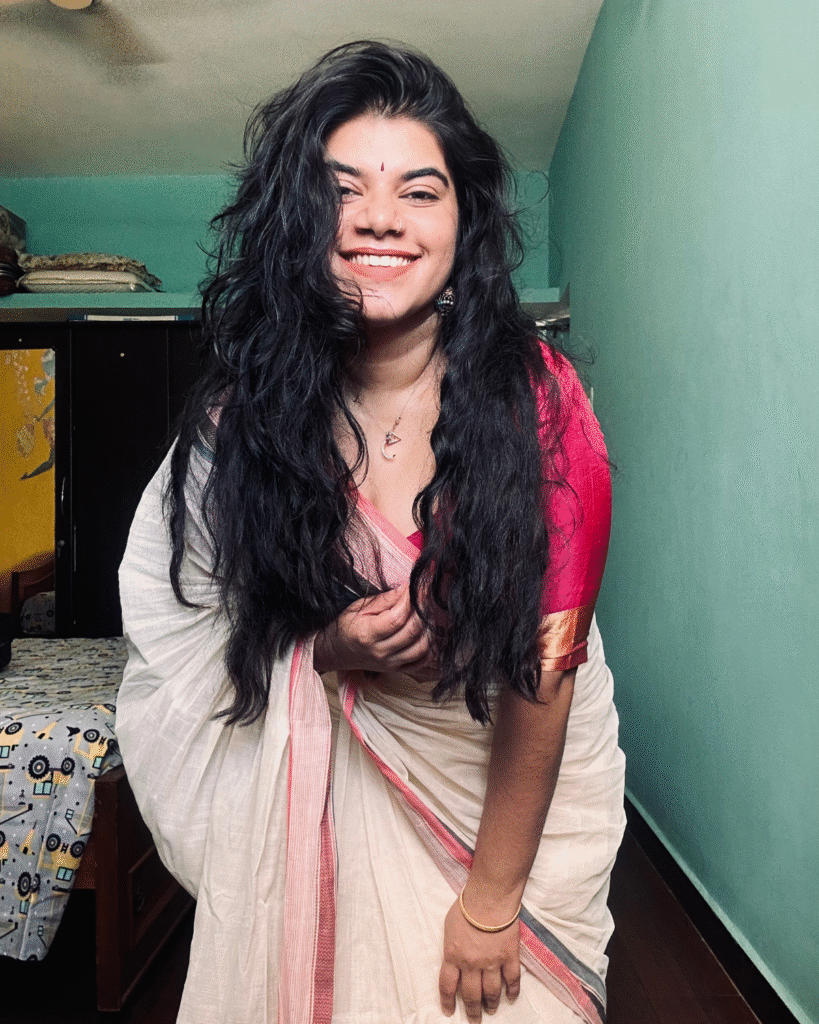
Trauma-Informed Coach, Nervous System Educator, Quiet Rebuilder There are people who enter a room loudly — and then there are those whose presence softens the air without ever announcing itself. Neha Kumar is the second kind. A trauma-informed coach whose work is reshaping how women understand safety, recovery, and self-trust, she arrives with a calm that feels like a held breath finally released. For someone who has rebuilt herself more times than she can count, her voice carries an almost startling gentleness. “Pain deserves dignity,” she says. “Everything I do is an extension of that belief.” In this interview for The Recalibration Section of CammaneX Magazine, Neha sits with us — slowly, honestly, without flinching — to explore what it means to rest, recover, and return to ourselves.
Neha
This conversation is not about accolades, virality, or emerging visibility. It’s about the inner recalibration that allowed all of that to happen. We begin not at the surface, but at the center.
For readers meeting you for the first time, who is Neha beyond the title “trauma-informed coach”?
I’m someone who had to rebuild herself more times than you’d believe. I move through the world quietly, noticing the things people hide, endure, and never name. I’m not the loudest person in the room, but people trust me instantly — and I protect that trust fiercely. Outside of work, I’m soft in very human ways. I love quality time, I devour books, and I embroider because it steadies my hands and my mind. At my core, I believe pain deserves dignity. My work is simply the extension of that belief. What was your early life like, and how did it shape your understanding of emotional safety?
I grew up in a lower middle-class Indian household — loving in its intentions, limited in its emotional vocabulary. Mental health didn’t exist in our vocabulary. Validation came through a stick or a carrot, never through presence. I was a lonely child, anxious, scared, convinced I was “too much” and “never enough” at the same time. That early confusion created a hunger for safety that my childhood couldn’t meet. That’s why emotional safety matters so much to me today — I know exactly what it feels like to crave it.
What led you to trauma-informed work?
My mental-health journey began with a long list of diagnoses: depression, generalized anxiety, BPD, PTSD. I saved money like a squirrel to attend therapy when I could. I had suicide attempts — I simply didn’t want to live. And for years, nothing changed. Later, when I could afford more treatment, I met a trauma-informed therapist. We barely spoke. We worked through my body — breath, grounding, presence. From three panic attacks a day, I went to one a week. My self-harm urges faded. That shift hooked me. Why did this work? Why now? Why this approach? I wanted answers. That was the beginning.
Was there a personal moment that made you realize healing would become your life’s work?
I don’t romanticize purpose. I think the world is painful, and all we can do is as much good as we can while giving ourselves what we were denied. I simply don’t want people like me to suffer for 10 years before getting answers.
I didn’t choose this work — it came naturally because I was already doing it for myself. It feels like the thing I was meant to do, even if I never went looking for it.
How do you define trauma — especially for women conditioned to “be strong”?
Women are called weak and strong at the same time. We’ve been shaped into versions of ourselves that serve everyone but us. So when women survive something unbearable, it’s labelled “strength,” when really it’s instinct. Trauma is anything unbearable. But women experience unbearable things repeatedly — and are expected to move through life unscathed. That’s impossible. I don’t want to be called strong. I want to be allowed to be human.

What do women need most when they begin their healing journey?
Desire. The desire to come back to themselves. Not perfection. Not urgency. Not guilt. Recovery needs slowness, gentleness, permission to fall and rise again. What women need most is the understanding that nothing is wrong with them, and the permission to become who they truly are.
What does empathy look like in your coaching container?
Empathy is spaciousness.
The freedom to speak without being rushed, interpreted, or polished. In our one hour, there’s nothing to prove and no decision waiting. You get to breathe. You get to be uncomfortable, without being alone in it.
When people are given space, they always find their raw voice.
How does your own internal grounding shape the way you guide clients?
Honestly, without my grounding, I might have been in a psych ward by now. I’ve survived because there’s a hunger in me to do better for myself, even on the days I hated myself. My grounding is my anchor. If I’m regulated, my client feels regulated. If I’m grounded, they feel permission to breathe.
What do women often carry silently that the world doesn’t see?
Shame. About their nature, their bodies, their desires, their mistakes. Shame is like stepping into a river with pockets full of rocks. It drowns you slowly — and women are taught to carry that weight alone.
When you hold space for someone’s pain, what do you hope they feel?
That I’m not making their pain about me. I never offer pity — pity is judgment dressed as softness. I want them to feel free to explore their pain without diluting or apologizing for it.
What patterns show up often in women who’ve lived through emotional or generational trauma?
Perfectionism.
Over-explaining.
Over-apologizing.
Being everything for everyone — and nothing for themselves. They carry a lifelong fear of disappointing someone. They don’t know who they are without that fear.
What’s one myth about healing you wish we could retire?
The idea of healing itself. Healing sounds magical, ethereal, like everything becomes perfect again. But what actually happens is recovery. You get better. You relapse. You grow scar tissue.
What does recalibration mean to you — emotionally, mentally, spiritually?
Recalibration is simply rest. Humans aren’t machines. We need emotional, mental, physical, sensory, and spiritual rest. Rest turns emergencies into inconveniences because you have the capacity to handle them. Recalibration is coming back to yourself before the world pulls you away again.
How do you help women rebuild self-trust after years of survival mode?
I trust them first. We build in layers:
1. Stability — eating, sleeping, regulating, basic housekeeping.
2. Slowing down — body-based practices that make the muscles feel safe.
3. Coping tools — resources to function and reclaim energy.
Self-trust doesn’t return overnight. You don’t rescue them — you equip them.
Can you share a transformation moment that stayed with you?
I had a client with ADHD and depression who was desperate to “become better faster.” She ignored her needs entirely.Within two sessions, she practiced breathing exercises. We identified cues of overwhelm. She followed every tool — consistently.
Within four sessions, she was calmer, softer, more forgiving. And the shift I loved most? She asks for help now, without hesitation. That’s recovery.
Which parts of your story form the foundation of your purpose?
My pain. Pain didn’t make me wise; it made me pay attention. People in pain are fragile, and holding them is sacred. I know what that fragility feels like, and I just want to help ease it.
How has this work changed you?
Two years ago, you wouldn’t recognize me. I was impulsive, erratic, ungrounded. This work softened me. It made me secure in my skin.
More forgiving of my limits. Kinder in my relationships. I used to trust very few people. Now, I’m more welcoming, more patient, more grounded. What does sustainable healing look like for the women you support? Sustainable recovery happens only when you’re doing it for yourself. Self-respect, not approval, is the root of lasting change.
If you could teach every woman one inner skill to protect her peace, what would it be?
Self-acceptance without judgment. And the ability to pause. A pause before reacting. Before apologizing. Before shrinking. Before self-blame. Self-acceptance keeps you soft. A pause keeps you safe.
Where can readers find you?
My best work lives on LinkedIn, I post Monday to Friday at 10:30 AM IST about mental health, trauma, and lived experience. You can reach me at hello@nehaskumar.com and learn more at nehaskumar.com.
If you resonate with my work, my door is always open.
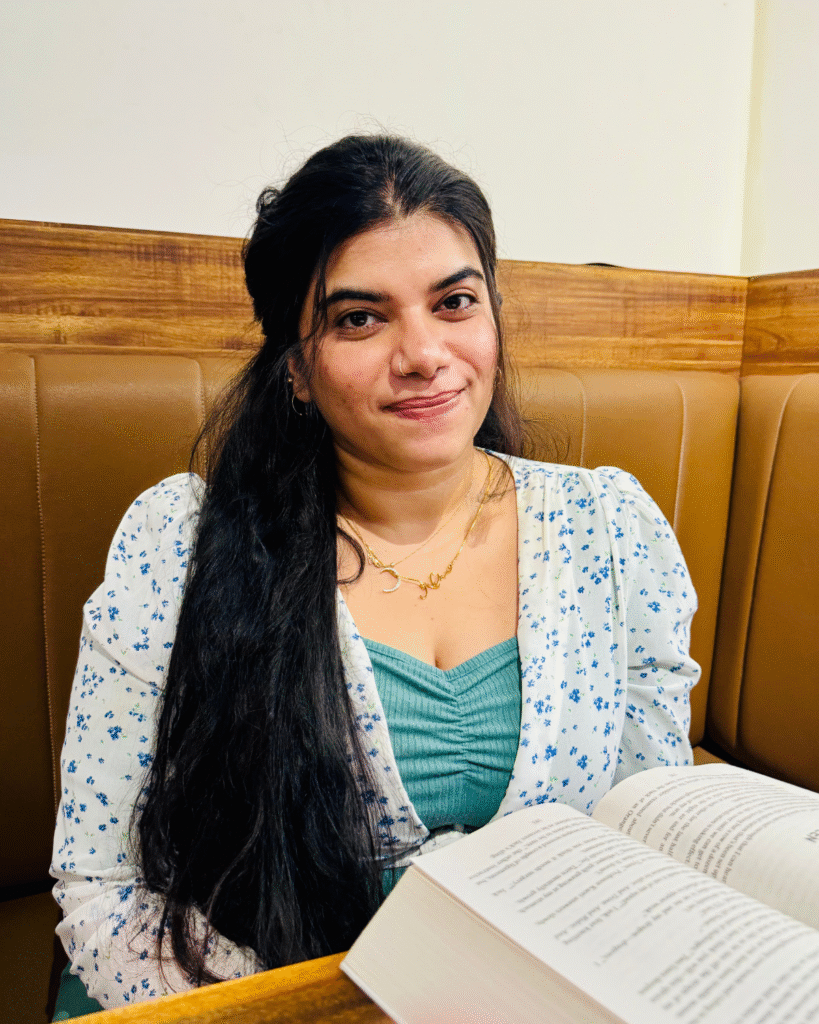
Recovery is honest. Healing is a myth.